30-Day Journaling Challenge to Transform Your Relationship with Money – 30 Days to Financial Clarity!
- Chrysanthia Gaza
I used to think money was just about numbers—income, expenses, savings, and the occasional splurge that I’d later regret. But the more I struggled to stay on top of my finances, the more I realized my relationship with money wasn’t just a spreadsheet problem. It was emotional. It was tangled up in childhood memories, past mistakes, societal messages, and the ever-present whisper of “Am I doing enough?” Money wasn’t just about what was in my bank account; it was about what was in my mind.
I remember one night, sitting at my kitchen table with bills spread out like a messy puzzle, feeling utterly stuck. I wasn’t broke, but I wasn’t exactly thriving either. I had a job, a plan, and yet, money felt like sand slipping through my fingers. It wasn’t just the numbers stressing me out—it was the deep-seated beliefs I didn’t even realize I had. The guilt after treating myself, the anxiety of looking at my bank statements, the way I’d avoid financial conversations like they were a personal attack. It hit me then: I needed to stop treating money like a math problem and start treating it like a conversation. And what better way to have a conversation than journaling.
So I started writing. At first, it was just scribbles—half-thoughts about where my money was going and why I felt the way I did. But as the days went on, something shifted. The patterns became clearer, the guilt softened, and I started seeing money for what it really was: a tool, not a trap. This 30-day journaling challenge is designed to help you do the same.
I invite you to take this 30-day journaling challenge. Each day, you’ll explore a different prompt to uncover hidden money patterns, set powerful intentions, and build a healthier, more empowered relationship with your finances.
30 Days to Financial Clarity: Your Journaling Prompts
Week 1: Unpacking Your Money Story
Before we change anything, we need to understand where we’re starting from.
Day 1: What is your first memory of money? How did it shape your beliefs about spending, saving, or earning?
Day 2: How did your parents or caregivers talk about money? Were there messages of abundance or scarcity?
Day 3: What words come to mind when you think about money? Write them down. Do they lean more positive or negative?
Day 4: Reflect on a past financial decision you regret. What emotions come up? What did you learn from it?
Day 5: How do you feel when checking your bank account? Why do you think you feel that way?
Day 6: Write a letter to money as if it were a person. What would you say to it?
Day 7: If money were a relationship, what kind would it be? A toxic ex? A distant friend? A reliable partner? Why?
Week 2: Shifting Your Money Mindset
Now that we’ve explored your money past, let’s reframe your financial mindset.
Day 8: What does financial freedom look like to you? Describe it in vivid detail.
Day 9: What limiting beliefs do you hold about money? (e.g., “I’m bad with money” or “I’ll never earn enough.”) Challenge them.
Day 10: What is one small way you can show gratitude for the money you already have?
Day 11: If you had unlimited money, how would you use it? What does that reveal about your values?
Day 12: Write down five money affirmations. Example: “I am capable of managing my finances wisely.”
Day 13: What fears hold you back from improving your financial situation? What’s the worst that could happen if you faced them?
Day 14: How does self-worth connect to financial worth? Reflect on any patterns you notice.
Week 3: Building Healthy Money Habits
Time to shift from awareness to action.
Day 15: How do you track your spending? If you don’t, what’s stopping you?
Day 16: What’s one small financial habit you can start today that will benefit you long-term?
Day 17: Where does your money go each month? Are there areas where you could cut back or adjust?
Day 18: What’s something you’ve been avoiding financially? A bill? A budgeting system? Why?
Day 19: Write about a financial decision you’re proud of. What did you do right?
Day 20: What emotions drive your spending habits—boredom, stress, excitement? How can you create healthier coping strategies?
Day 21: Create a money mantra—something short and empowering you can repeat daily.
Week 4: Designing Your Financial Future
Let’s get intentional about what’s next.
Day 22: What does “enough” look like for you financially? When will you feel financially secure?
Day 23: If you could give your younger self one piece of financial advice, what would it be?
Day 24: Where do you want to be financially in one year? Five years? Ten?
Day 25: What would financial success feel like? Describe a day in your life when you’ve achieved it.
Day 26: What’s one financial goal you can set today? What’s the first step?
Day 27: What’s something financial that you’re curious about and want to learn more about?
Day 28: Write a gratitude letter to your future financially secured self. Thank her for making wise choices.
Day 29: How can you celebrate financial wins, big or small, without sabotaging progress?
Day 30: What’s the biggest lesson you’ve learned about money in the past 30 days?
Bonus Tip: Use a Journal That Guides You
If you love the idea of journaling but sometimes struggle with what to write or how to organize your thoughts, the Mindful Money Journal is a perfect companion for this challenge.
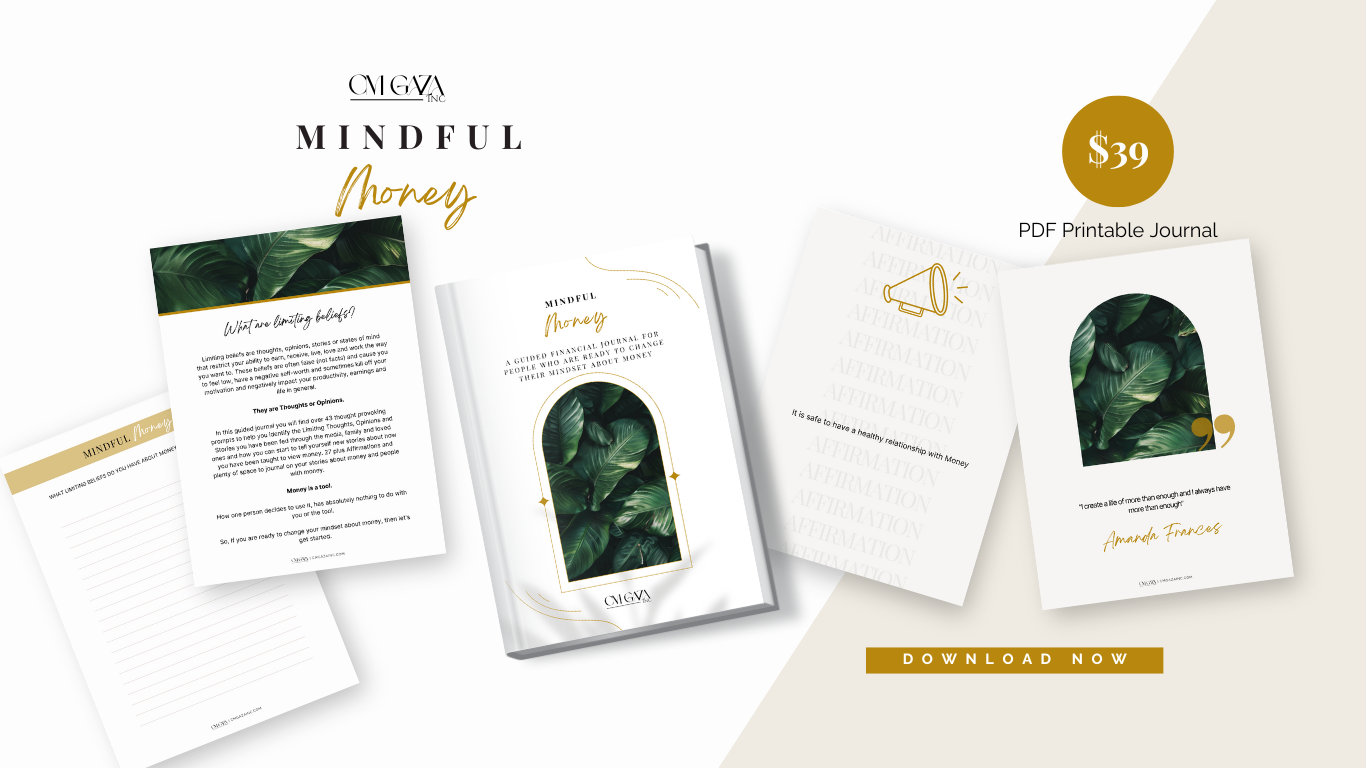
It’s designed to help you dig deep into your money mindset, track habits, and create financial clarity in a way that feels supportive and empowering. Because let’s be honest—money work can be emotional, but it doesn’t have to be overwhelming.
The Money Shift You Didn’t Know You Needed
Money stress can feel like an endless loop, but clarity comes when we stop running from it and start having honest conversations—first with ourselves, then with our finances.
This journaling challenge isn’t about quick fixes or unrealistic expectations. It’s about transforming the way you see and interact with money, one intentional reflection at a time. Because at the end of the day, financial freedom isn’t just about numbers in an account—it’s about how you feel when you think about money.
So grab a journal, pour yourself a cup of something cozy, and start writing your way to financial clarity. You might be surprised by what you discover. 💰